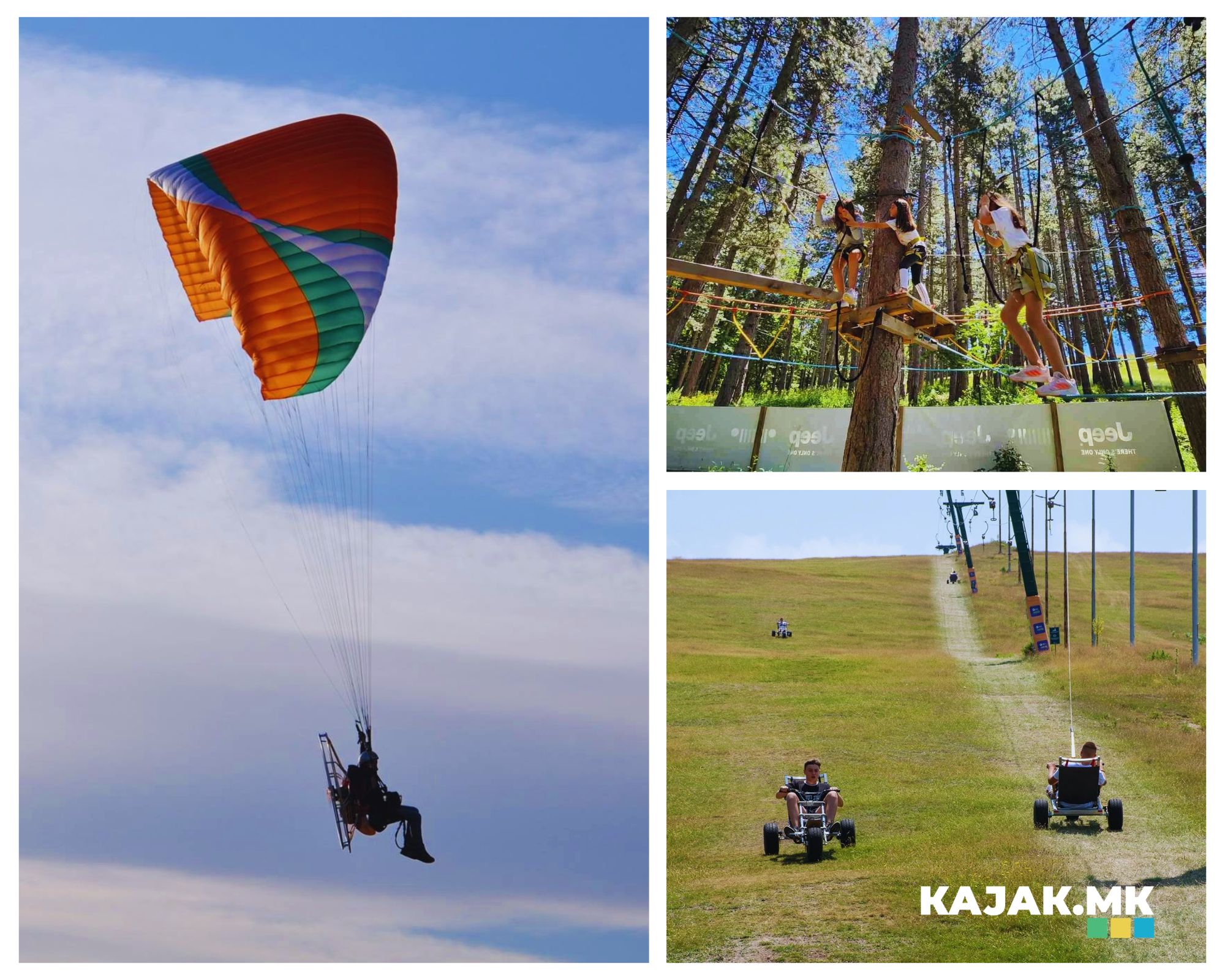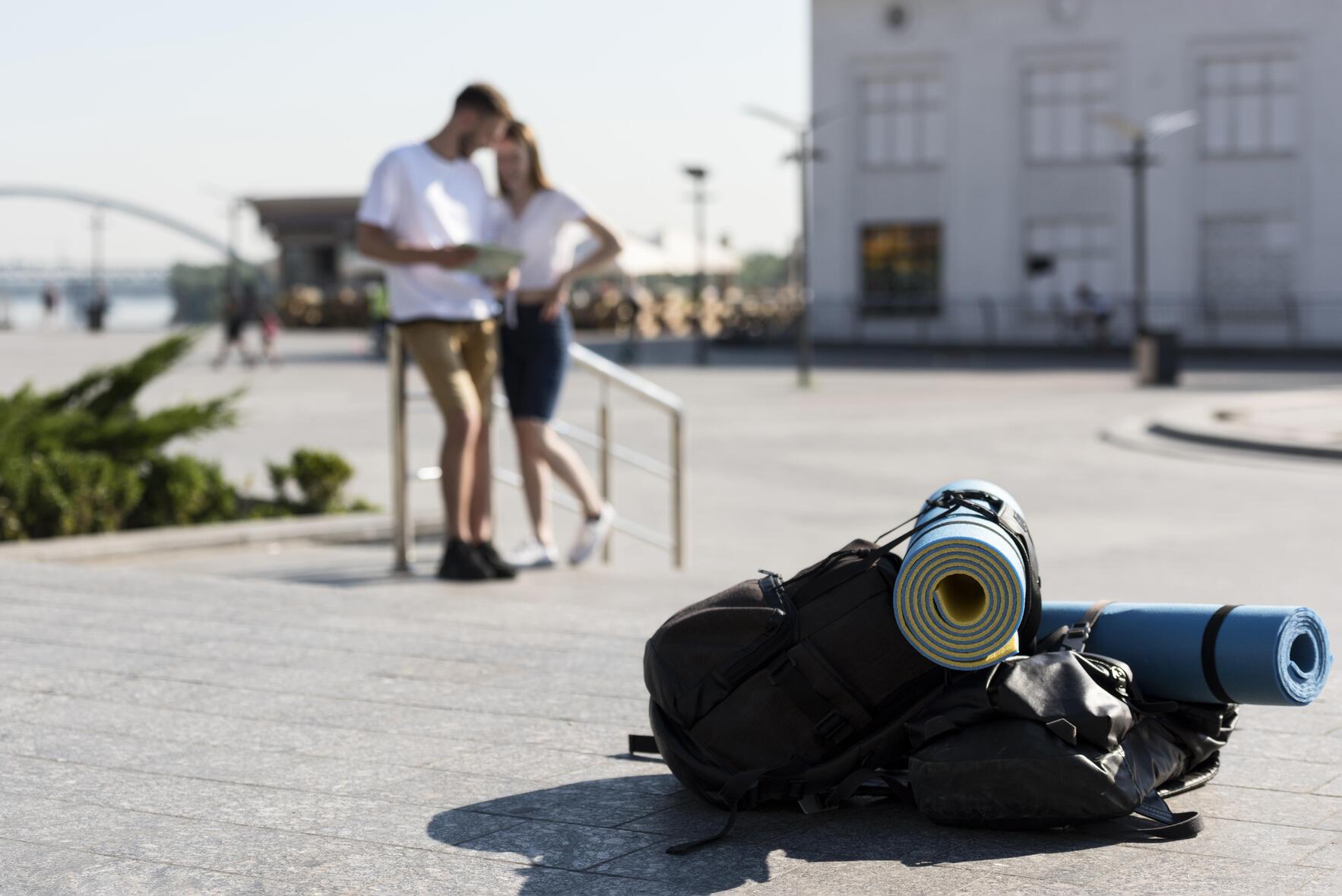
In 2026, the global tourism industry is experiencing significant changes, and one of the most compelling trends is the rising popularity of the “Sweat Jetting” concept. This type of travel combines adventure with physical activity, offering travelers a unique opportunity to explore new destinations while hiking, kayaking, cycling, or running. Instead of traditional beach vacations or sightseeing tours, travelers now seek experiences that engage the body and enrich their awareness of the surroundings, creating unforgettable memories.
“Sweat Jetting” tours are emerging across the world. In the Alps, tourists combine mountain trekking with cycling and kayaking along pristine rivers. In Central America, Costa Rica offers journeys that include rainforest hikes, white-water kayaking, and surfing on ocean waves. More and more travelers are planning entire trips around sports activities, fitness challenges, and adventurous experiences, making each journey personalized and fully immersive.
Even in the Balkans, this trend is beginning to take hold. In North Macedonia, for example, some hilly and river regions provide opportunities for active vacations that capture the spirit of “Sweat Jetting”—trekking, cycling routes, and kayaking through canyons are experiences that attract adventure-seekers without focusing on specific tours. This illustrates how global active tourism trends can be applied even in smaller, hidden destinations, offering travelers new and memorable experiences.
Active tourism and “Sweat Jetting” are not only changing traveler habits but also transforming the very concept of travel itself. Tourists increasingly value physical engagement, interaction with nature, and the sense of achievement that comes from completing an adventure. This trend inspires the global tourism industry to offer more adventure packages, personalized routes, and activities that combine health, adrenaline, and the experience of new cultures and landscapes.