There is nothing better than inheriting and learning the craft of our parents and continuing the family tradition that has raised and nourished us throughout our entire lives.
This is the humble and positive story of our local heroine Daniela, who for many years has been making homemade soaps using the "secret recipe" of her mother and grandmother.
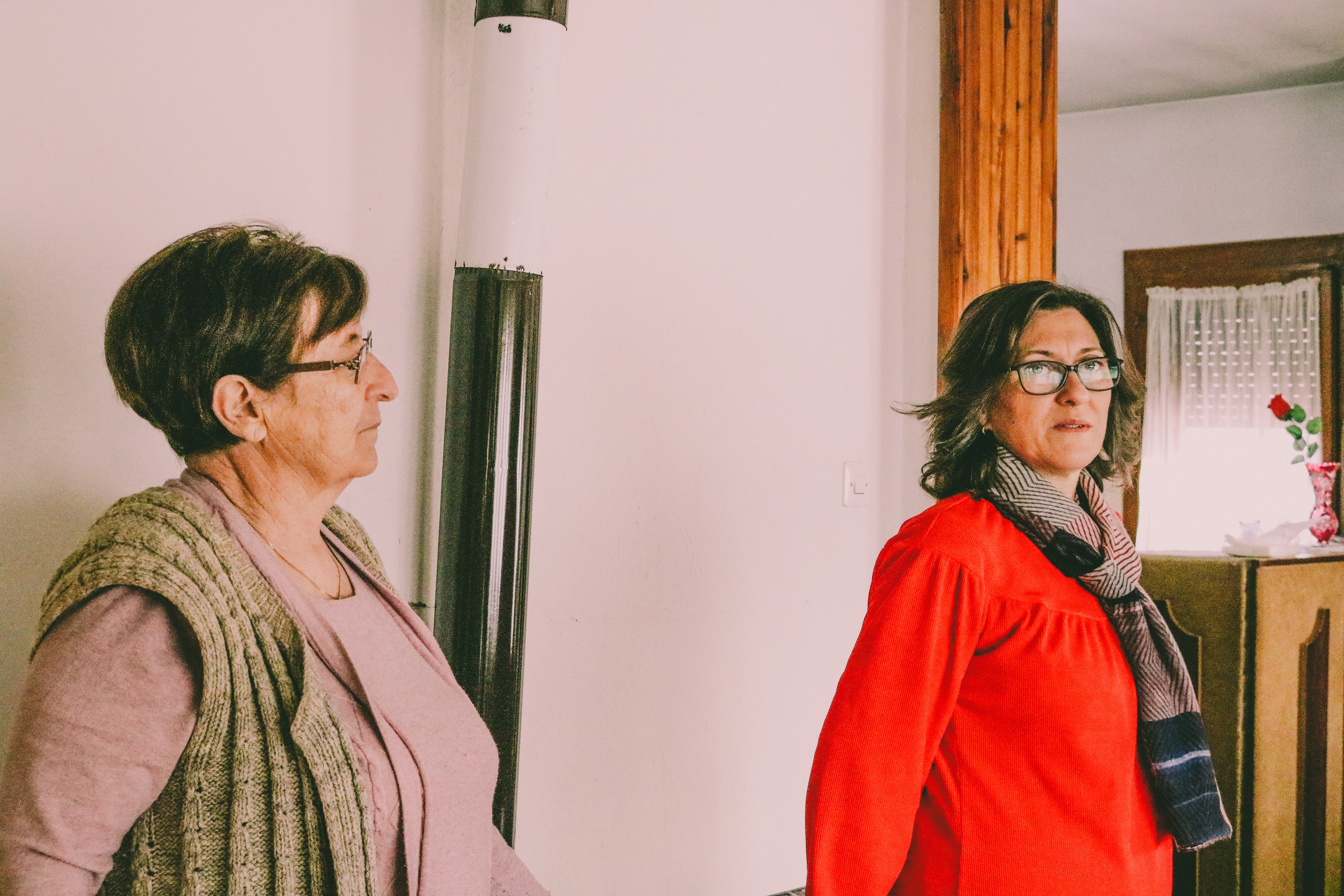
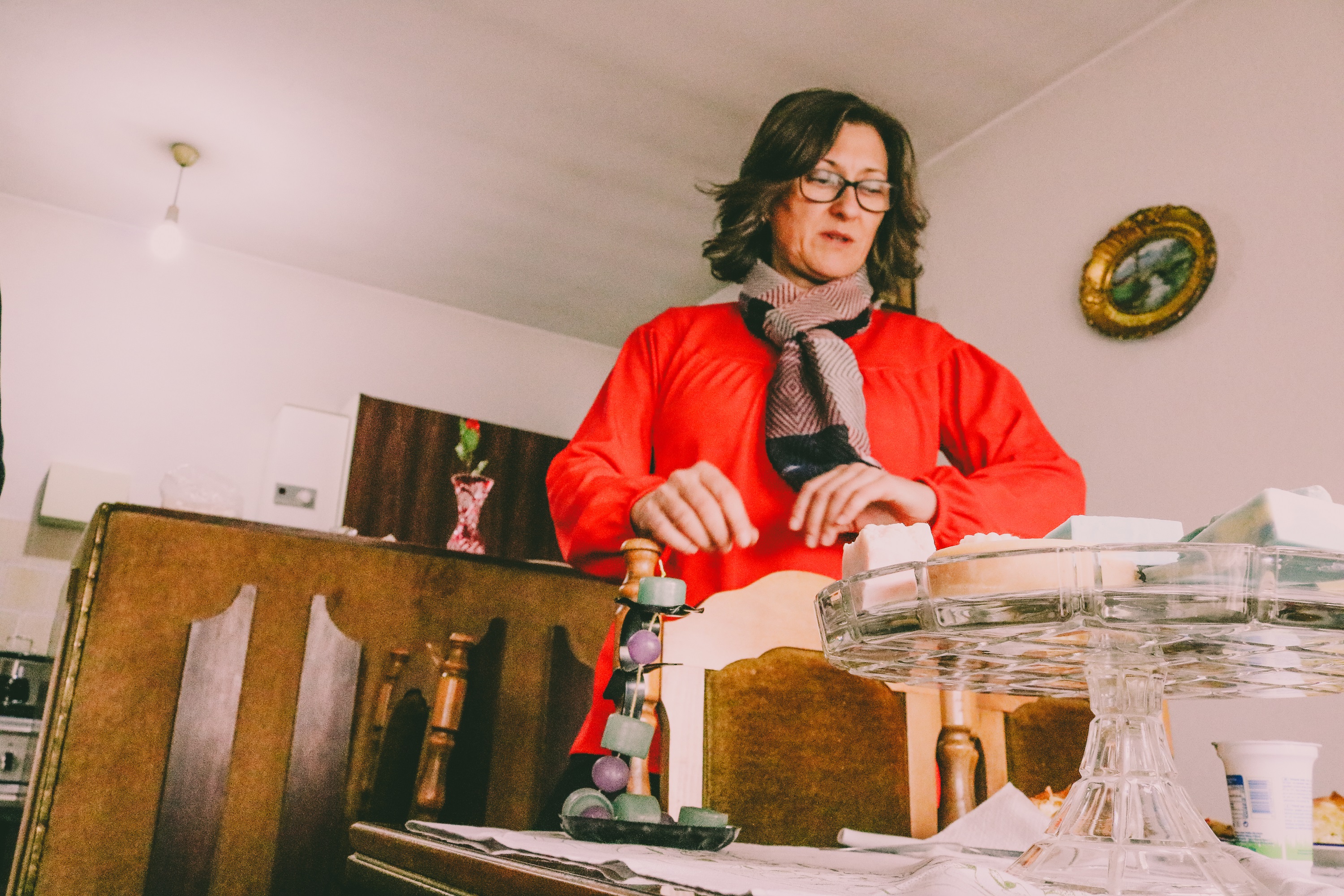
She told us the following:
The tradition of making soap was continued by my mother; she kept making the soap further. We have always used that soap for washing and personal hygiene, and there is always homemade soap in our home at all times. I remember that many families in our region used to make homemade soap. According to my mother, around the 1980s, there was a period when laundry detergent was not available, so during that time, they grated homemade soap and put it in washing machines to wash the clothes.
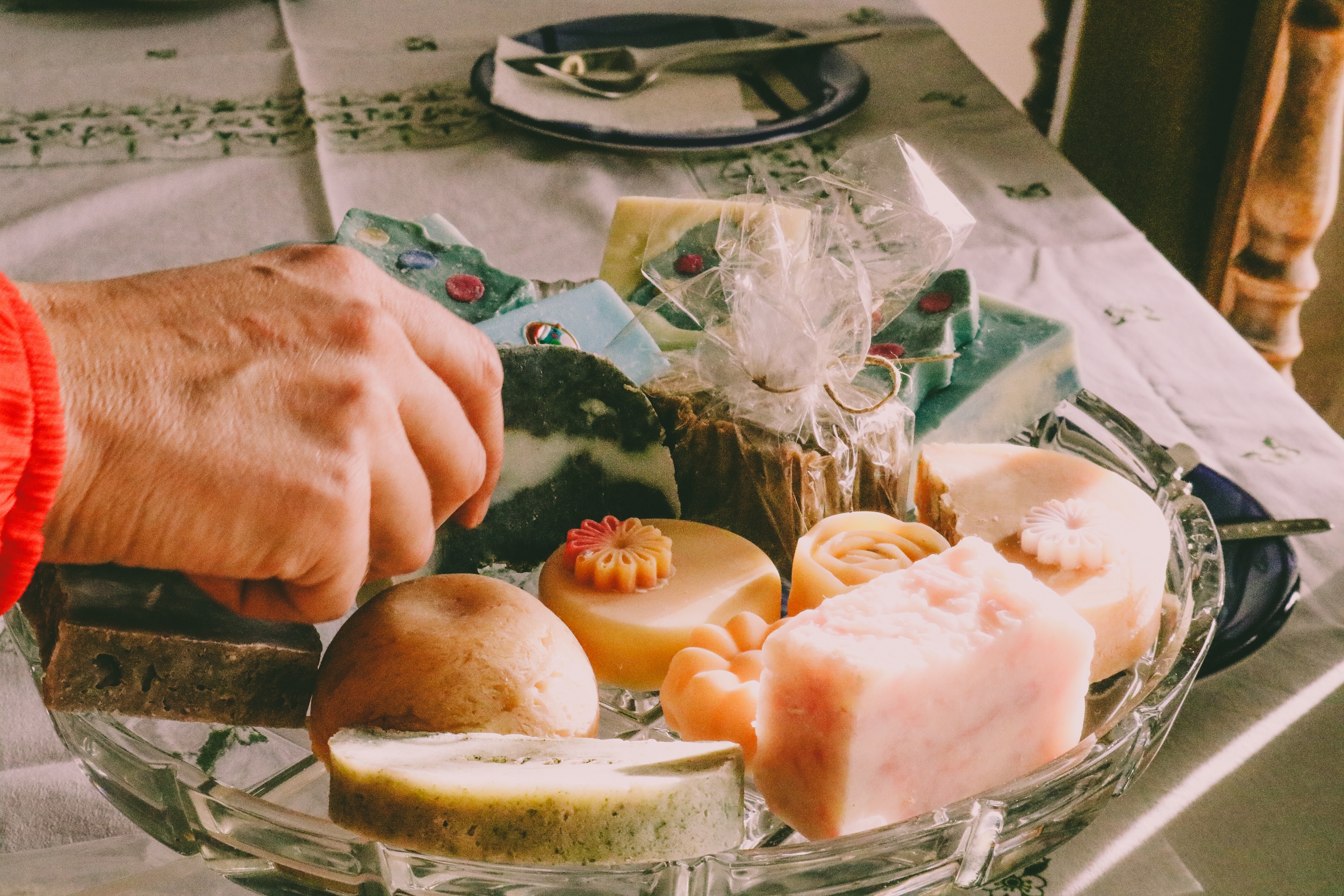
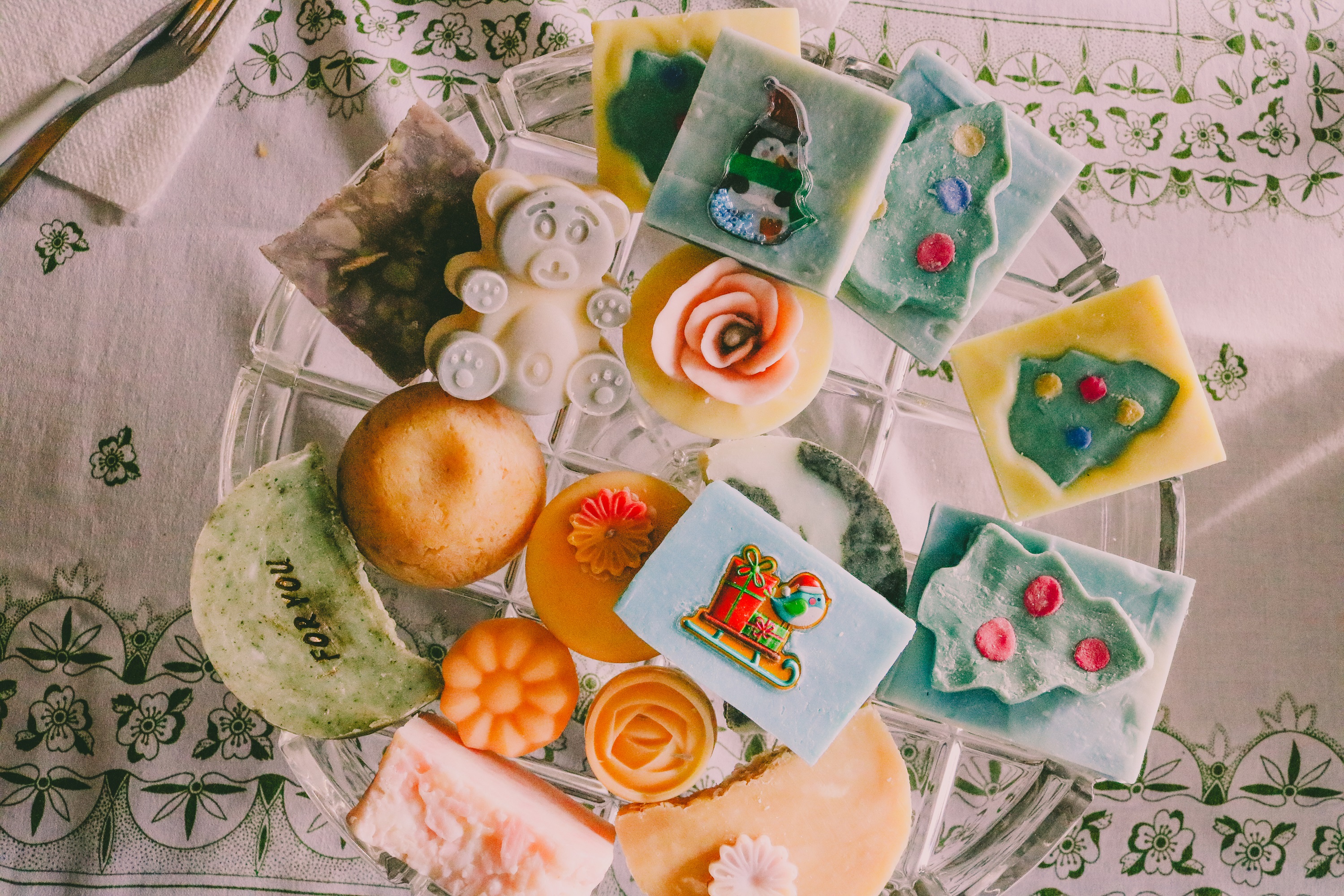
A special motivation to continue making homemade soap was the fact that with its frequent use, we didn’t need to use hand and body creams, and also the dandruff my husband had for a long time significantly decreased. It also happened more often that someone who tried the soap wanted to get more of the same kind again.
I got more actively involved in soap making from 2017. I learned the idea and the process from my mother, then started researching and educating myself, and with the help of today’s advanced internet communication, I continued to expand my knowledge and create a variety of soaps using different methods.
Every new soap I make is different and better than the previous one, which motivates me even more to make a new soap — and that feeling makes me happy and fulfilled.
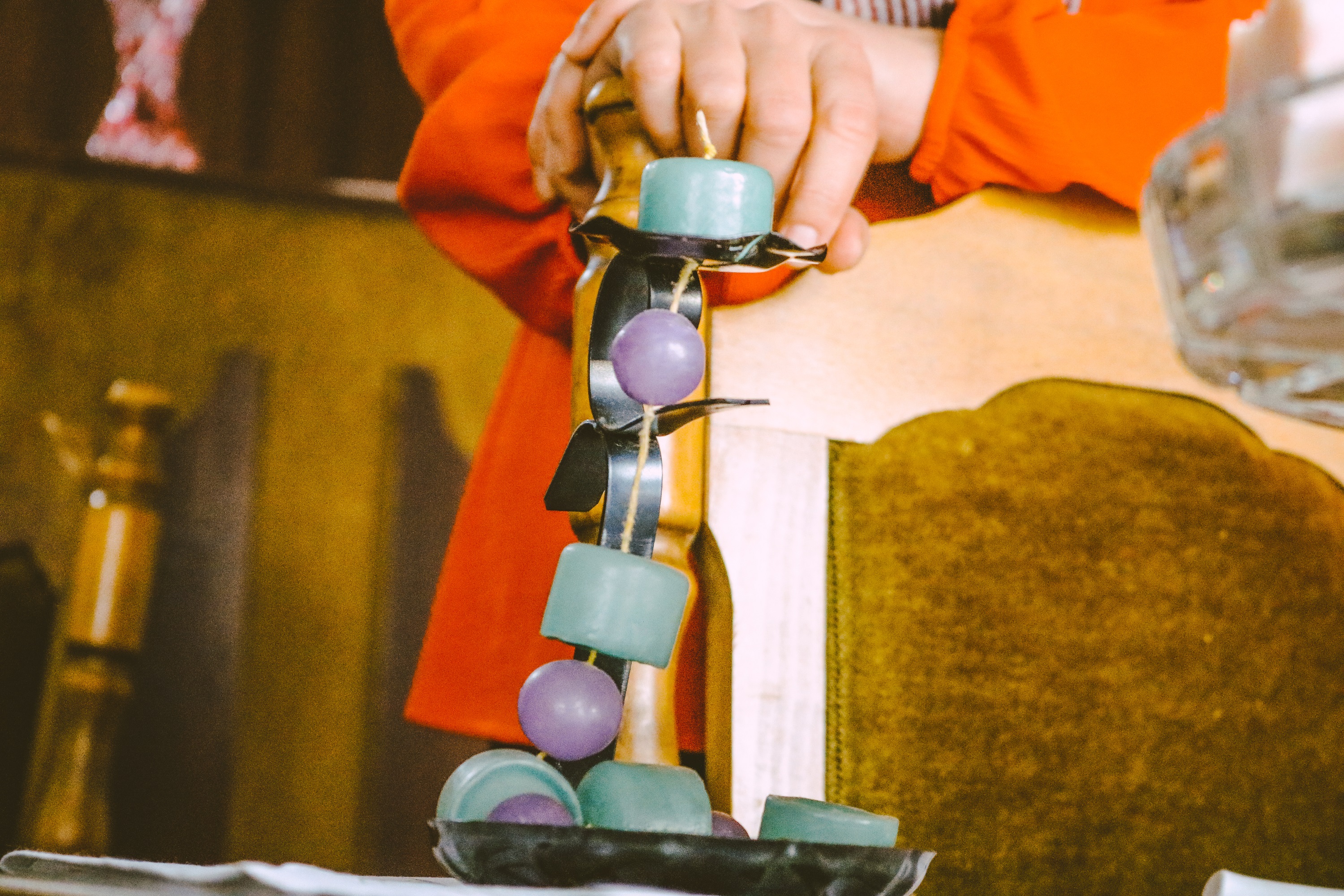
There are several legends about the origin of soap. According to one ancient Roman legend, soap is named after Mount Sapo, located in Italy, which was an ancient site for animal sacrifices. After the sacrifices, rain would wash down the animal fats and ashes, which would collect in the Tiber River.
Women who washed their clothes in the river noticed that when they washed them in certain parts of the river after heavy rain, their clothes became much cleaner. Over time, they realized that these were areas where the water carried animal fats and ashes, and thus the first use of soap was born.
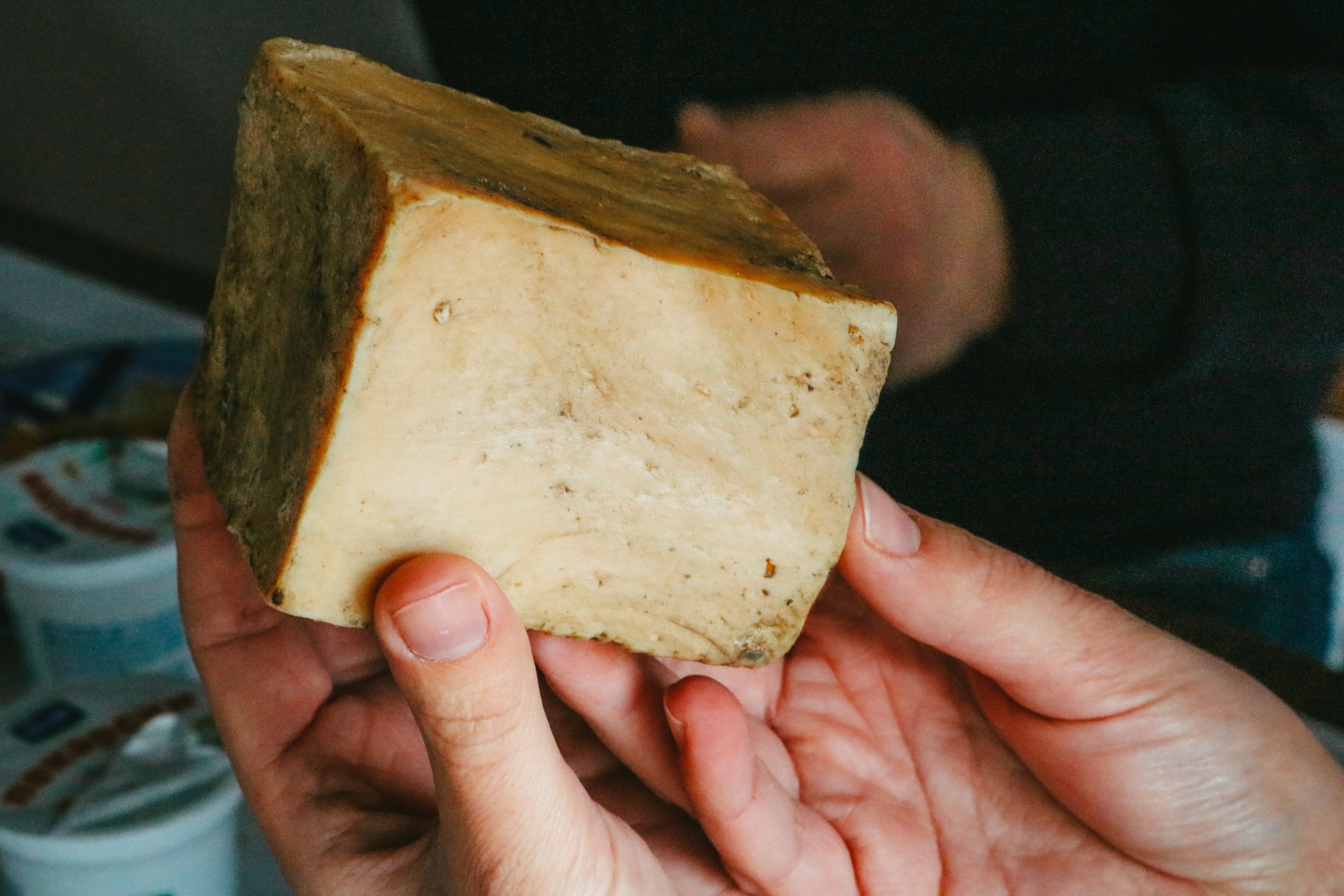
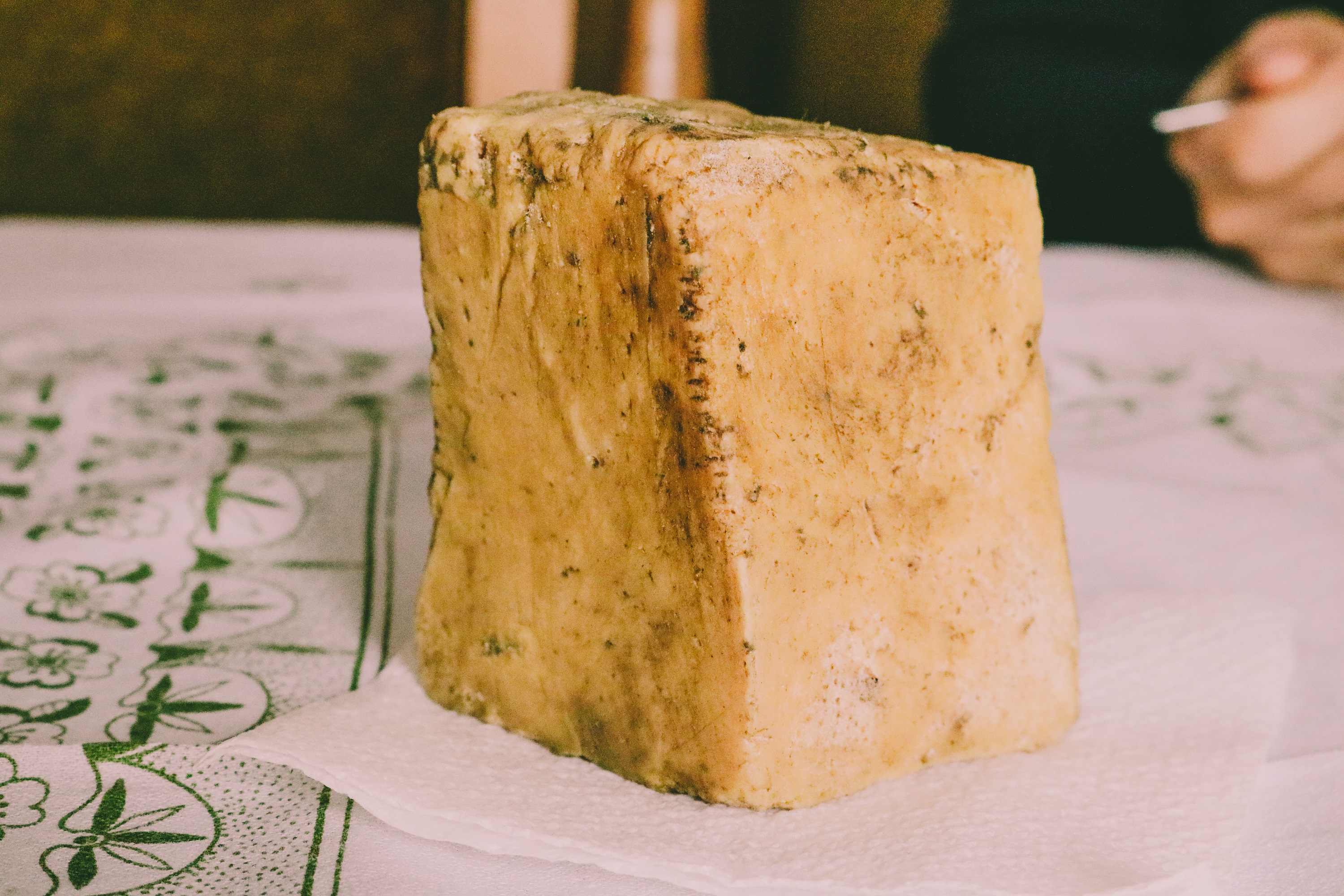
In industrial soaps, glycerol is extracted and then sold to the cosmetic and pharmaceutical industries. Removing glycerol extends the shelf life of the soap, but at the same time, it loses the ability to nourish the skin. That is why natural soaps are placed on a dry surface to drain excess water so they do not become too soft.
Artificial soaps contain sulfates, preservatives, additives, dyes, fragrances, parabens, and other harmful ingredients. Because of this, there is an increasing demand nowadays for homemade soaps that are gentle and safe, cleansing and nourishing the skin simultaneously.