Travel is increasingly becoming less about a beautiful hotel, a comfortable room, and good food. Modern travelers want to experience the place they visit, meet local people, and, even if only for a short time, become part of something that is truly characteristic of that destination.
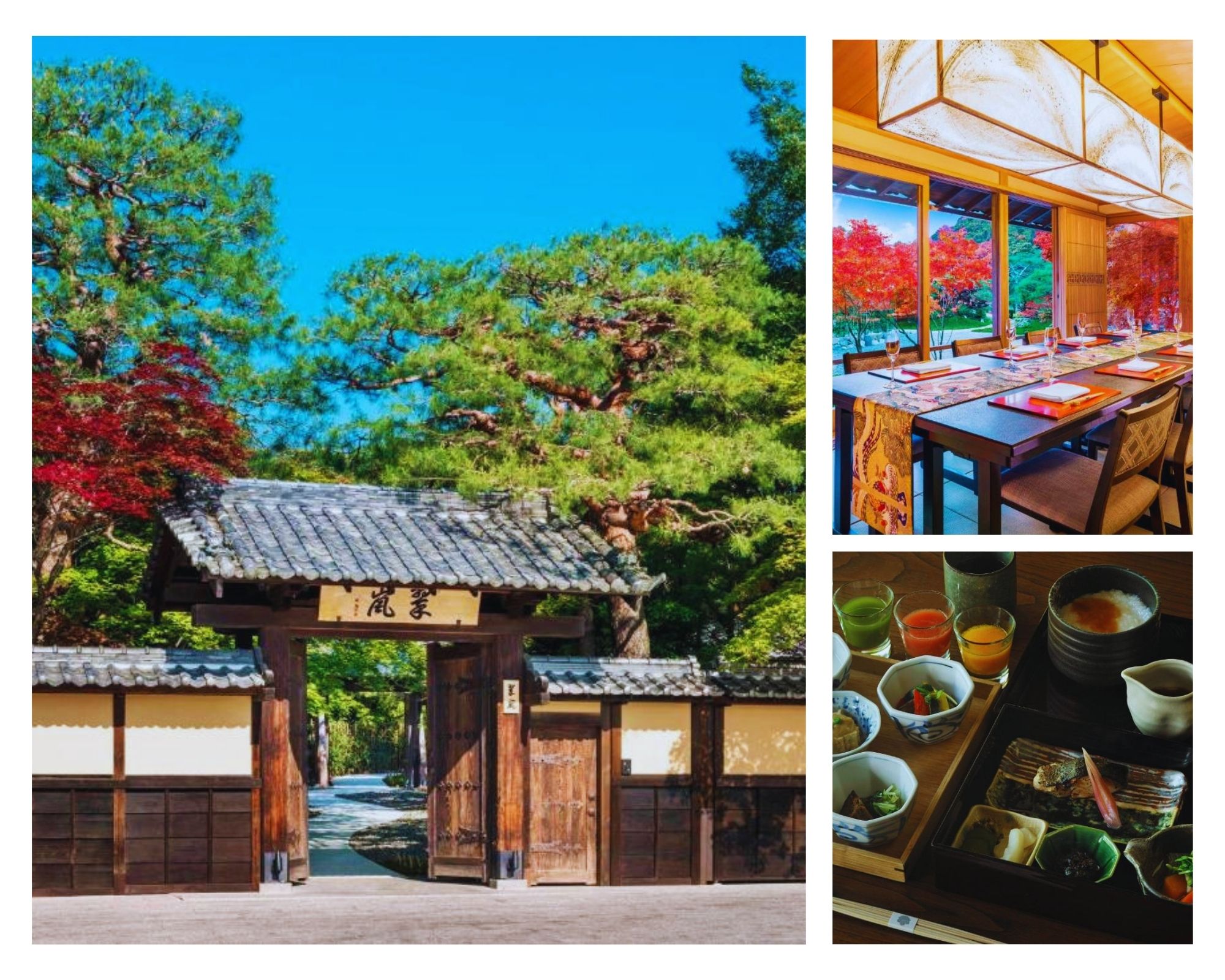
A hotel in Kyoto, Japan, is taking exactly this approach. Instead of simply offering guests a luxurious stay, it allows them to discover one of the traditions deeply rooted in Japanese cuisine – the preparation of traditional fermented vegetables.
From the Hotel to the Farm
The experience begins in Kyoto, but not in the hotel room.
Guests first travel to Kameoka, an agricultural region about 40 minutes from Kyoto, where they meet a local producer and learn about the vegetables used to make traditional Japanese tsukemono – various types of pickled and fermented vegetables.
There, they can see how seasonal produce is grown, learn why seasonality is so important in Japanese cuisine, and even plant vegetables themselves.
And this is precisely where the difference between an ordinary tourist tour and a memorable experience becomes clear.
Instead of simply being shown something, guests do it themselves.
A Tradition Passed Down Through Generations
One of the people behind the experience is Satoshi Mori, a third-generation representative of a family that has been producing Kyoto’s famous pickled and fermented products for many years.
After visiting the farm, guests continue to a workshop where they are introduced to the preparation process.
One of the techniques is nukazuke – a fermentation method in which vegetables are placed in a special mixture of rice bran, salt, and water. The process requires time, care, and experience, and that is precisely the point of the entire experience.
Guests are not simply learning how to prepare a particular dish. They are learning why the tradition exists and how it has survived to this day.
When Food Becomes a Story
In Japan, tsukemono is more than just a side dish. The tradition of pickling and fermentation has a long history and was an important way of preserving seasonal produce long before the invention of modern refrigeration.
Kyoto has many different types of tsukemono, and their preparation is closely connected to the local cuisine, the seasons, and the history of the city.
That is why the experience does not end with the workshop.
After returning to the hotel, the local ingredients and fermentation techniques continue to be part of the gastronomic experience. Guests can taste dishes that incorporate the products they became familiar with during the day.
In this way, the entire experience comes full circle – from the farm, through tradition, to the table.
The Hotel as a Gateway to Local Culture
This example shows how the role of a hotel is changing in modern tourism.
A hotel no longer has to be simply a place where tourists spend the night. It can become their first point of contact with the people, food, crafts, and traditions of a destination.
And experiences like these can create a much stronger connection with a place.
A tourist may forget what the hotel room looked like, but they are far less likely to forget that in Kyoto they planted vegetables, spoke with a third-generation artisan, and learned an old fermentation technique themselves.
Macedonia Has Plenty to Offer Too
This approach is particularly interesting for Macedonia, because we have countless traditions that are still alive and passed down from generation to generation.
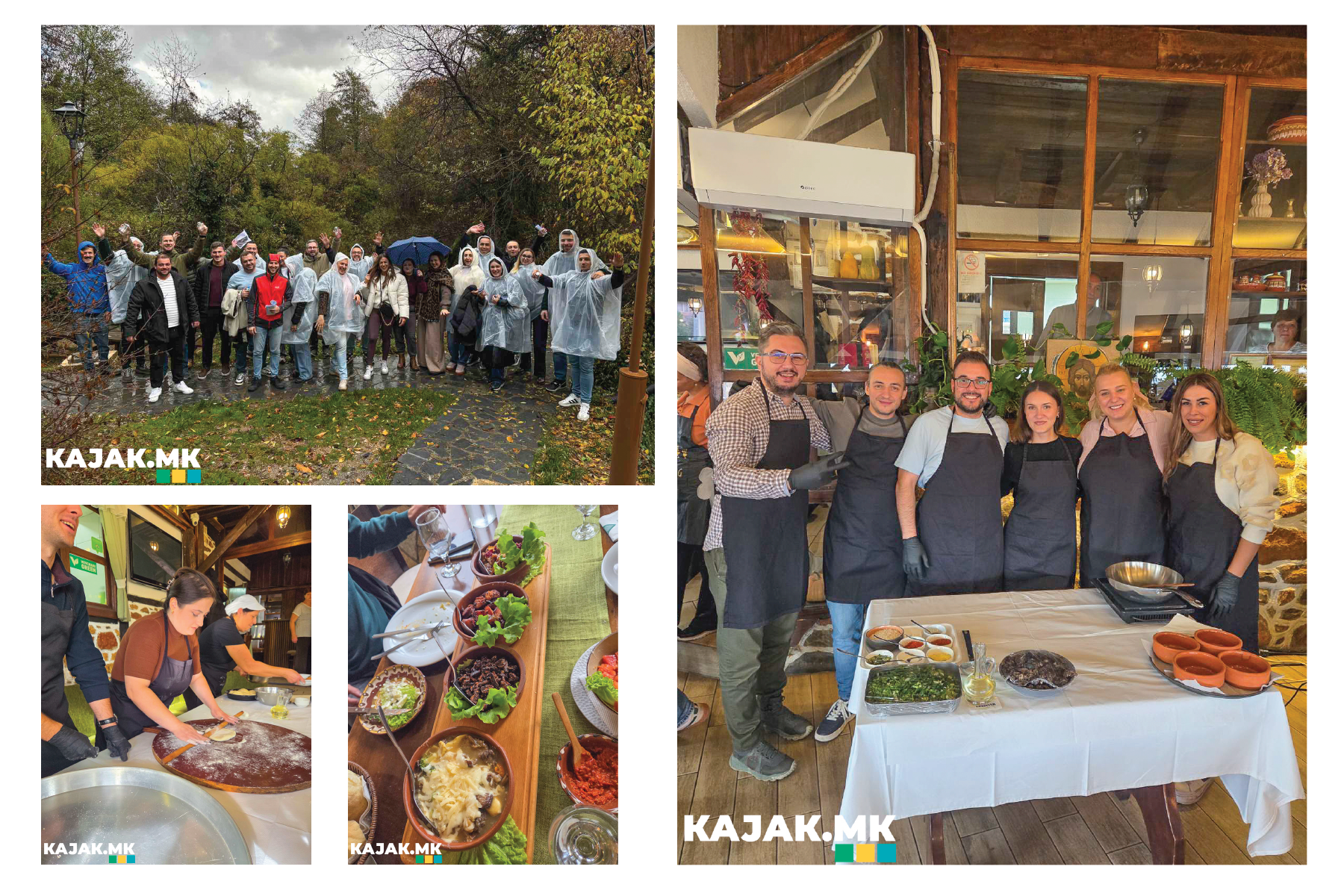
Guests can learn how to prepare ajvar, homemade bread, cheese, or zelnik, take part in grape harvesting, visit a vineyard and a family winery, gather mountain herbs with a local resident, or learn a traditional craft from a master artisan.
This may also be one of the greatest opportunities for Macedonian rural and mountain tourism – not to sell tourists just an overnight stay, but a story they create themselves.